
 Quick Response
Flood, Fire, Mold Services
 GET HELP FAST
30 Minute Response Time
Quick ResponseFlood, Fire, Mold Services
GET HELP FAST30 Minute Response Time
Water damage can be very destructive, especially when it affects your flooring. Not only is water damage unsightly, but it can also create long-term structural problems if left unaddressed. Knowing how different types of flooring react to water damage—and what to do about it—can help you preserve the look and functionality of your floors. Here’s what you need to know about handling water damage for carpet, hardwood, and tile floors, and why professional water damage restoration services are often the best choice for long-term results.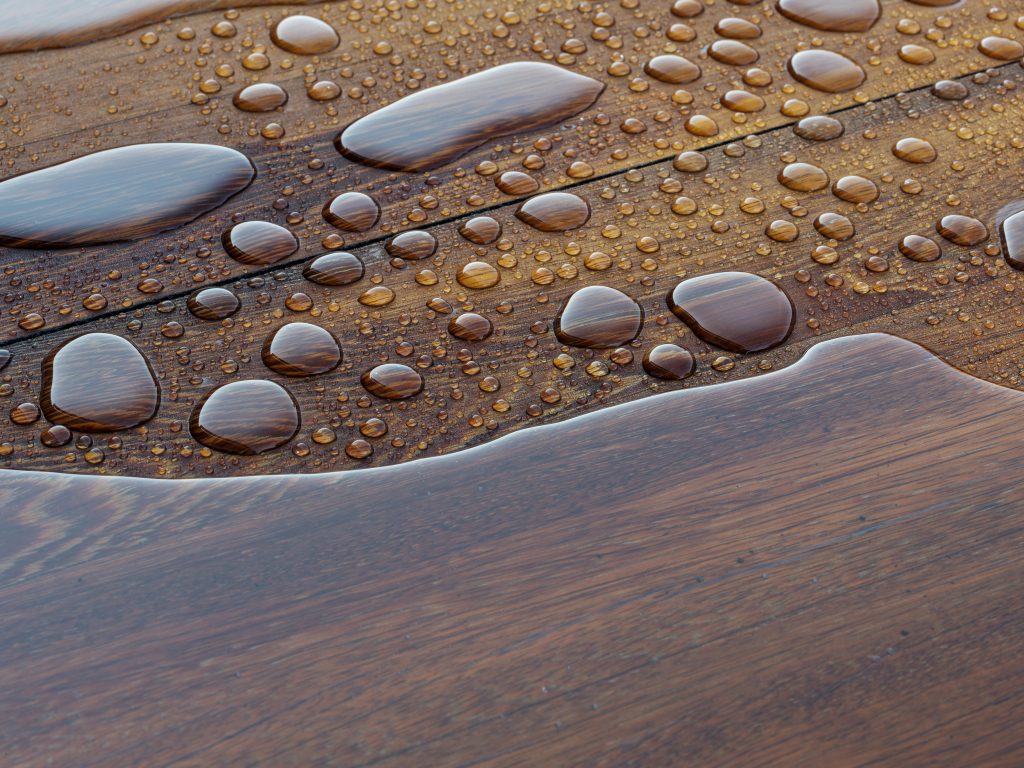
When carpets get wet, they can quickly become breeding grounds for mold and mildew, creating health risks for you and your family. If the water damage is limited to a small area, you might be able to remove and replace a section of the carpet. However, for larger areas, it is important to assess the carpet padding underneath. Wet padding often holds onto water and can create lingering odors and mold issues.
The water damage restoration process for carpeted flooring typically involves specialized water extraction equipment, powerful drying fans, and sometimes, antimicrobial treatments to prevent mold growth. Professionals use advanced tools to quickly remove moisture from carpets and padding, ensuring a thorough dry-out process. Attempting to dry carpet on your own may leave moisture trapped, leading to further damage down the road.
Hardwood floors are especially vulnerable to water damage. When water seeps into hardwood, it causes the wood to swell and warp, sometimes leading to permanent buckling. Even minor water exposure can cause the hardwood to discolor and lose its finish.
The key to water damage restoration for hardwood floors is quick action. Professionals can extract water and initiate the drying process immediately to minimize permanent damage. They use dehumidifiers and floor drying systems that reach beneath the surface to pull out trapped moisture, saving as much of your hardwood as possible. Unfortunately, once hardwood begins to buckle significantly, replacement may be necessary. A professional evaluation can determine whether your floors can be saved or if replacement is the best option.
Tile flooring is generally water-resistant, making it a popular choice in kitchens and bathrooms. However, water can still cause damage, particularly if it penetrates the grout lines or seeps beneath the tile. When water gets under tile, it can loosen the adhesive, causing tiles to lift or crack. Prolonged exposure to water can also lead to mold growth beneath the surface.
The water damage restoration process for tile floors involves assessing the subfloor to ensure it is not compromised by moisture. If water has seeped beneath the tile, professionals will extract it and thoroughly dry the subfloor. For tiles that are cracked or loose, they provide repair services to restore the seamless look of your tile floor.
Dealing with water-damaged flooring can be complex and requires specialized tools and knowledge. At Alert Disaster Restoration, our water damage restoration professionals are trained to handle all types of flooring and understand the unique requirements for each material. Attempting to address water damage on your own may result in incomplete drying, hidden moisture, and costly repairs later on. With our expertise, we ensure a comprehensive restoration process, saving you time, money, and stress. Don’t let water damage ruin your Bakersfield home’s floors. If you’re dealing with water issues in your carpet, hardwood, or tile, contact us today for a fast, reliable solution.