
 Quick Response
Flood, Fire, Mold Services
 GET HELP FAST
30 Minute Response Time
Quick ResponseFlood, Fire, Mold Services
GET HELP FAST30 Minute Response Time
When you find mold in your home, it’s natural to feel unsure about what to do next. The removal process can seem unclear, especially if you’ve never dealt with it before. Understanding each step from the first visit through final cleanup helps homeowners know what to prepare for and what questions to ask. Here’s a straightforward walkthrough of how professional mold removal in Bakersfield works. 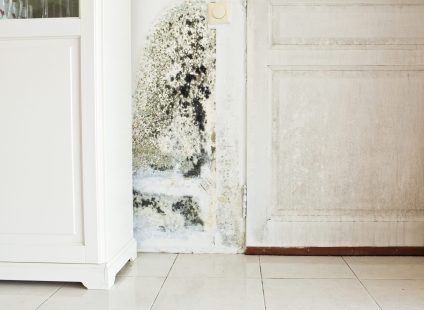
The mold removal process starts with a thorough assessment of the affected area. A technician will visually inspect the space and use moisture meters to detect hidden moisture behind walls, under flooring, or in ceilings. Finding the moisture source is just as important as treating the visible mold damage, because any remaining moisture will cause the problem to return.
During this visit, the team will determine:
You do not need to clear out your entire home beforehand. The technician will advise you on which areas to vacate, if any, before work begins.
Before any mold removal begins, the work area must be contained. When mold spores become airborne, they can spread quickly throughout a home, creating new growth in areas that were previously unaffected.
Containment involves:
This step protects the rest of the home throughout the remediation process. Proper containment is one of the most important factors in preventing mold from returning after treatment. A professional crew will not skip or rush this stage.
Once containment is in place, remediation begins. The methods used depend on the type of surfaces involved.
Hard, Non-Porous Surfaces
On surfaces like tile, metal, or sealed concrete, mold can be cleaned directly. Technicians will scrub the surface, apply antifungal and antimicrobial treatments, and then HEPA-vacuum the area to remove any remaining spores.
Porous Materials
Porous materials that have absorbed mold growth, such as drywall, insulation, or wood framing, are typically difficult to clean effectively. These materials usually need to be cut out and disposed of properly. This is not a shortcut. It is the correct way to eliminate mold that has grown into the material itself.
Your technician will walk you through exactly which materials need to come out before work begins, so there are no surprises during the job. In some mold removal cases, only a small section needs to be replaced. In others, multiple walls or ceilings may be affected.
You can find more answers about the process in our mold removal resources.
After affected materials are removed and surfaces are treated, the area must be dried completely. Moisture left behind, even at low levels, will allow mold to return within weeks. Worrying about regrowth after remediation is common, and thorough drying is what prevents it.
Professionals use:
The drying phase typically takes 1 to several days, depending on the size of the affected area and the materials’ initial saturation. Technicians monitor moisture readings throughout the process to confirm the space reaches acceptable levels before moving forward.
When drying is complete, a final cleaning phase takes place. This includes HEPA vacuuming all surfaces in and around the work zone, wiping down surfaces with antimicrobial agents, and removing all containment barriers.
The space is left clean and ready for any repairs or reconstruction that may be needed. If structural materials were removed, the area would be open and accessible for the next phase of work. Some restoration companies handle repairs in-house; others coordinate referrals. It is worth asking about this during the initial assessment of the mold removal process so you can plan ahead.
Mold removal alone does not guarantee the problem will stay gone. If the conditions that allowed mold to grow are not corrected, new growth will appear, often in the same spot.
Common moisture sources include:
Bathrooms are one of the most common problem areas. Here is how to prevent bathroom mold.
Part of a complete remediation job is identifying the source and making sure it is addressed. Your remediation team should provide a clear explanation of what they found and the steps needed to prevent recurrence. If the moisture source requires a separate repair, do not delay. Mold can return within days if the underlying issue goes uncorrected.
Most residential mold removal projects take between one and five days. Small, contained patches can sometimes be addressed in a single visit. More widespread contamination spanning multiple rooms or requiring significant material removal will take longer.
Your technician will give you a more specific timeline after the initial assessment. It is better to take the time needed to do the job thoroughly than to rush the process and deal with regrowth later. A properly completed mold removal job should leave the space clean, dry, and ready for repairs without recurring issues.
A little preparation before the mold removal crew arrives can help the process go smoothly. You do not need to do anything extensive, but a few simple steps make a difference.
Sharing this background information helps the team perform a more thorough initial assessment.
Dealing with mold in your home is stressful, but the removal process does not have to be. Working with an experienced professional team means every step, from assessment to final cleanup, is handled the first time. Contact our team at Alert Disaster Restoration today to schedule a free assessment and get a clear plan for removing mold from your home.